
How to make carpet stripes
Written by: Vinnie van Rooij
Carpet stripes are lines in the carpet that give the impression that some parts of the carpet ar darker/lighter then the area next to it. This can be achieved by bending the fibers one way or the other. The only purpose of this is that it can look nice to some people. Customers might be impressed and like the effect.
Contents
What are carpet stripes
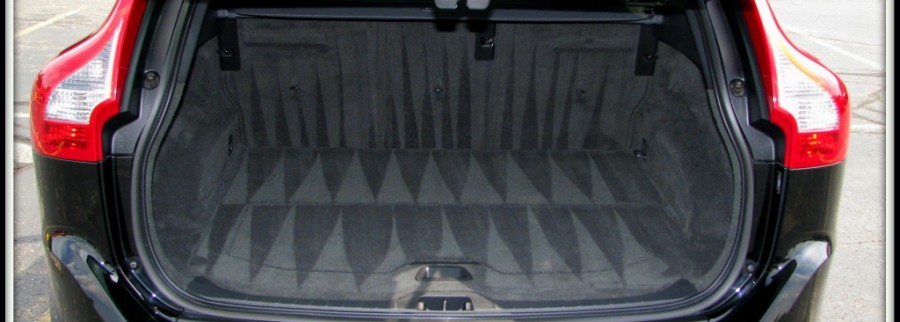
Carpet stripes are lines in the carpet of floormats or even the floorcarpet. They can also be made in the bootcarpet and with some vehicle in the rooflining. The effect is achieved by bending fibers one way or the other. The light will be reflected in a slightly different way, making the carpet look darker or lighter, depending on the direction the fiber points at. If 1 area is bend away from you, and the area next to it has fibers bend into your direction, one will look different to the other. There is no difference made to the fibers apart from bending them. It does not help to clean the carpet or serve any other detailing-related purpose, except for the cosmetic effect. Some customers like to see the effort that has been put in small details like this.
Why make carpet stripes
Normally, a carpet will have an even and flat look. The shade of color is the same all over the surface, and it feels like one big piece of material with very little details to it. By adding carpet strikes, this flat and even surface suddenly gets details and structure added to it. The look won’t last lone, because a simple wipe from a hand, or a shoe walking over the surface will undo the effect. Some customers feel it adds a bit of detail to the job that has been done. Attention to these small details makes the customer feel special. As if “they got treatement, different to others”. Some detailers have turned this into a sport in making something special with these stripes. By changing angles and direction, the detailer could make several different lines and figures into the carpet. Some even make special templates so they can create symbols, words and logo’s.
How to make carpet stripes
Carpet stripes can be done in a few different ways, the difference is largely the end result that is desired. To get really sharp lines, you need to cover 1 area while you brush the other area. To create symbols, words and logo’s, you could make templates from cardboard, strudy paper or thin plastic sheets.
The stripe itself is achieved by stroking the fibers into 1 direction with a brush. It can be done by hand, but using a brush will give better results. If you use something like a long ruler or a clean piece of wood to cover the rest of the carpet, you can achieve very sharp edges in the stripes. If you have cleaned the floormats first, the fibers will still be wet and the fibers will bend more easily. Once they dry in this position, they should hold their angle and the carpet stripes should still be visible.
Some detailers can also achieve similar results by moving the nozzle from the carpet-vacuum either away from them, or towards them. Some vehicles have a rooflining with long fibers, which can also be stroked to achieve a similar result as the carpet stripes.
Other possibilities for carpet stripes
Apart from the straight carpet stripes, some detailers make templates with the logo of the vehicle, common names or greetings. This is a way to personlize the job done for the customer and is almost always greeted with a smile and appreciation. If all the fibers are bend into 1 direction, you could draw lines and figure into the fabrics with your finger. With practise, you could freestyle any shape, word or logo you can think of.
Another, but not very common way to create a similar effect that lasts a lot longer, is painting the stripes. By taping off the surrounding area, you could safely spraypaint the exposed area to create a difference in color or shade. This effect will last a lot longer but might also increase the stiffness of the fiber. Painting these stripes might end up being irreversible.
Different related articles
 Hose slides are small tools that prevent any hose from getting stuck behind the wheel of a vehicle. Hose slides are offered by many different brands and manufacturer but are all basically the same....
-
Dog hair in the interior of a car can be real nuisance. The hairs get stuck in the fibers of the fabric and become very difficult to remove. Using just a vacuum cleaner is often unsuccesfull, however, with a few tips these hairs can be removed much easier....
-
Smartwax is an American brand of detailing products located in California. The brand was established around 2003 and has a fairly wide range of products that is being offered via several different resellers....
-
Traffic film removers are specific products, designed to do a certain task. In this case the removal of traffic film. A product like this is not difficult in its use, but caution should be taken to prevent damage, stains or other unwanted results. This guide might not apply to 100% of the products on the market, but will give you a good starting point....
-
An emulsion is a mixture of water and oil. These 2 substances don't mix without a third substance to bind them together. To create an emulsion you need an emulsifier. Soap is a good example of an emulsifier....
-
Finish Kare is a detailing products manufacturer that started out creating mold release products. The step into car wax for protective purposes was a small change that was easy enough to make. The brand now offers a small range of cleaning, polishing, protecting and perfecting surfaces for both car and marine detailing....


Links to this article
There are no external links to this article. Yet.